
The Economic Impact of Bringing MLB to Orlando

Bringing Major League Baseball to Orlando would be more than a sports milestone. It would be a meaningful economic development story for a region already defined by tourism, hospitality, and destination travel. For families, visitors, and business leaders alike, the appeal goes beyond the novelty of a new team. An MLB club could diversify the Central Florida visitor economy, create recurring activity around an 81-game home schedule, and add a fresh dimension to Florida family vacations without changing what already makes the region such a strong draw.
A New Stream of Game-Day Spending
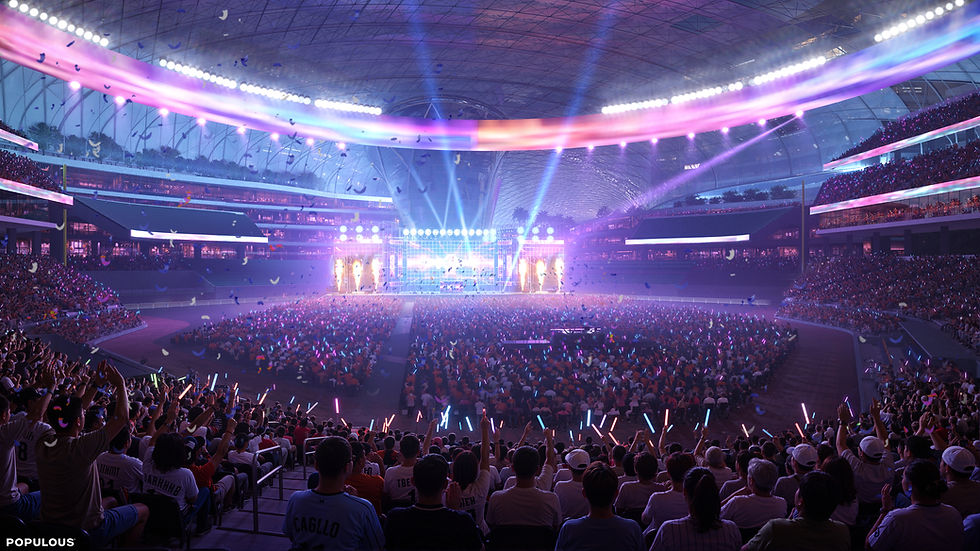
The clearest economic effect of an MLB team is the steady rhythm of home games. Unlike one-off mega-events, baseball creates repeat demand over the course of a long season. That matters for restaurants, bars, parking operators, transportation services, hotels, retailers, and nearby entertainment venues. A well-attended ballpark can help support local businesses not just on opening day, but across spring, summer, and early fall.
That recurring pattern is one reason baseball is so attractive from a sports business standpoint. Regular game dates create predictable activity, which is often more valuable to local operators than a short burst of attention. It also opens the door to surrounding business growth, including pregame dining, postgame nightlife, and family-friendly spending that fits naturally into Orlando’s broader visitor mix.
Economic Channel | Short-Term Effect | Long-Term Potential |
Hospitality | Higher demand on game days | More consistent seasonal occupancy |
Food and beverage | Increased traffic before and after games | Sustained growth for nearby operators |
Transportation | More rides, parking, and transit use | Stronger case for infrastructure upgrades |
Retail and entertainment | Higher visitor spending | Development of a broader stadium district |
A Stadium District Can Reshape Nearby Development
The most important economic conversation is not only about what happens inside the stadium, but what happens around it. A well-planned ballpark can become an anchor for mixed-use development that includes dining, retail, residential projects, hospitality, and public gathering spaces. In cities where these plans succeed, the value comes from year-round use rather than baseball alone.
That is where Orlando’s case becomes especially interesting. The region already understands destination planning, large-scale event logistics, and visitor behavior. If an MLB stadium were integrated into a larger district strategy, the project could help attract investment that stretches beyond sports. Office space, entertainment concepts, and adjacent real estate could all benefit from the increased visibility and foot traffic a major league franchise brings.
Of course, stadium economics are never automatic. The strongest outcomes usually depend on disciplined planning, transit access, neighborhood connectivity, and a realistic approach to financing. A ballpark that functions as an isolated venue tends to have a narrower impact than one that is woven into the surrounding urban fabric. That distinction matters if Orlando wants baseball to contribute to lasting growth rather than occasional headlines.
How MLB Could Strengthen Florida Family Vacations
Orlando is already one of the country’s best-known family travel markets, which gives baseball a different opportunity here than it would have in many other cities. An MLB team would not need to build a tourism identity from scratch. Instead, it could add a compelling new layer to an existing vacation ecosystem.
For many visitors already planning Florida family vacations, the addition of live Major League Baseball would create one more reason to extend a trip, add an evening experience, or return during another season. A baseball game fits naturally into the rhythm of a family itinerary: it is recognizable, flexible, and often easier to integrate than a full-day attraction.
This matters economically because longer stays and broader itineraries typically spread spending across more sectors. A visitor who adds baseball to a trip may also add another hotel night, another restaurant meal, another rideshare trip, or another retail stop. For a market that thrives on multi-day travel, that kind of incremental spending can be meaningful even without changing the core tourism model.
The Civic and Workforce Effects Beyond Tourism
An MLB franchise would also have effects that are harder to measure but still economically relevant. Major league status can strengthen a city’s national profile, influence how corporate visitors perceive the market, and deepen local confidence in future investment. In business terms, perception is not everything, but it does matter. Cities with major league teams often gain another platform for hosting clients, promoting regional identity, and expanding civic ambition.
There is also the workforce dimension. Construction associated with a stadium project can support skilled trades and related services. Once operational, a franchise and stadium district can create roles across event operations, security, concessions, maintenance, guest services, media, and venue management. Not all of these jobs carry the same wage level or permanence, but together they contribute to the broader employment picture.
Community use matters as well. If a ballpark becomes a year-round gathering place for amateur events, concerts, civic programming, and other attractions, its value expands beyond the baseball calendar. That broader utility often helps determine whether a major sports project feels integrated into the life of the region or simply inserted into it.
What Would Make the Economic Impact Sustainable
The most credible case for MLB in Orlando rests on sustainability, not excitement alone. To produce long-term value, the project would need to work on multiple levels at once.
Thoughtful financing: Public and private stakeholders would need a structure that balances ambition with accountability.Year-round programming: The venue should be active beyond game days to broaden its economic reach.Strong transit and access: Ease of movement helps local businesses and improves the visitor experience.Local business inclusion: Nearby operators and regional vendors should have real opportunities to benefit.Neighborhood alignment: Development should connect to the surrounding community rather than stand apart from it.
That is also why the public conversation matters. The strongest sports-led developments are usually the result of clear planning and realistic expectations. For readers tracking that broader vision, Home provides a useful reference point for understanding how baseball, growth, and long-term regional ambition can intersect.
In the end, the case for MLB in Orlando is not simply about adding another attraction to a tourism capital. It is about whether a major league franchise can deepen economic activity in a way that complements the region’s existing strengths. If the project is planned well, connected thoughtfully, and built for more than game day, it could become a serious business asset for Central Florida. And for a destination already synonymous with unforgettable trips, bringing baseball to Orlando could give Florida family vacations an entirely new kind of marquee experience.
Optimized by Rabbit SEO


Comments